

Decide whose money you’re protecting
Your Spot team starts by working out whether you need protection for your own business, for a client’s property or for an employee benefit plan, since each calls for different coverage.
Spot for Fidelity Bonds
We work out whose money and property you need to protect, get bond quotes through brokers and help you buy the right one.

Your Spot team starts by working out whether you need protection for your own business, for a client’s property or for an employee benefit plan, since each calls for different coverage.
Once your broker has quotes back, we show how each proposal defines employees, alongside the limit per loss, any overall limit and the deductible or retention.
Fidelity bonds
Coverage limits · Policy terms
Juniper Consulting
Spot flags when a loss must happen or be discovered, when you have to report it, and whether the policy addresses only the direct loss or also the costs and business losses that follow it.
Fidelity bonds
Juniper Consulting · Policy review
Confirm with your broker
Limits, exclusions, and endorsements
Your Spot team keeps the bond and its terms with your other policies and brings the renewal forward, which matters most when a new bond replaces an existing one.

SamJuniper Consulting
Let’s prepare the information for your broker and compare the terms, not just the price.
Fidelity bonds policy
Coverage terms · Limits
Share what you do, where you work, the policies you have and any contracts that ask for insurance.
Spot turns it into an application that describes your business the way insurers need to see it.
Spot handles the procurement, sending it to the insurers and markets that cover businesses like yours and chasing every quote.
We put the quotes side by side on limits, exclusions and terms as well as price.
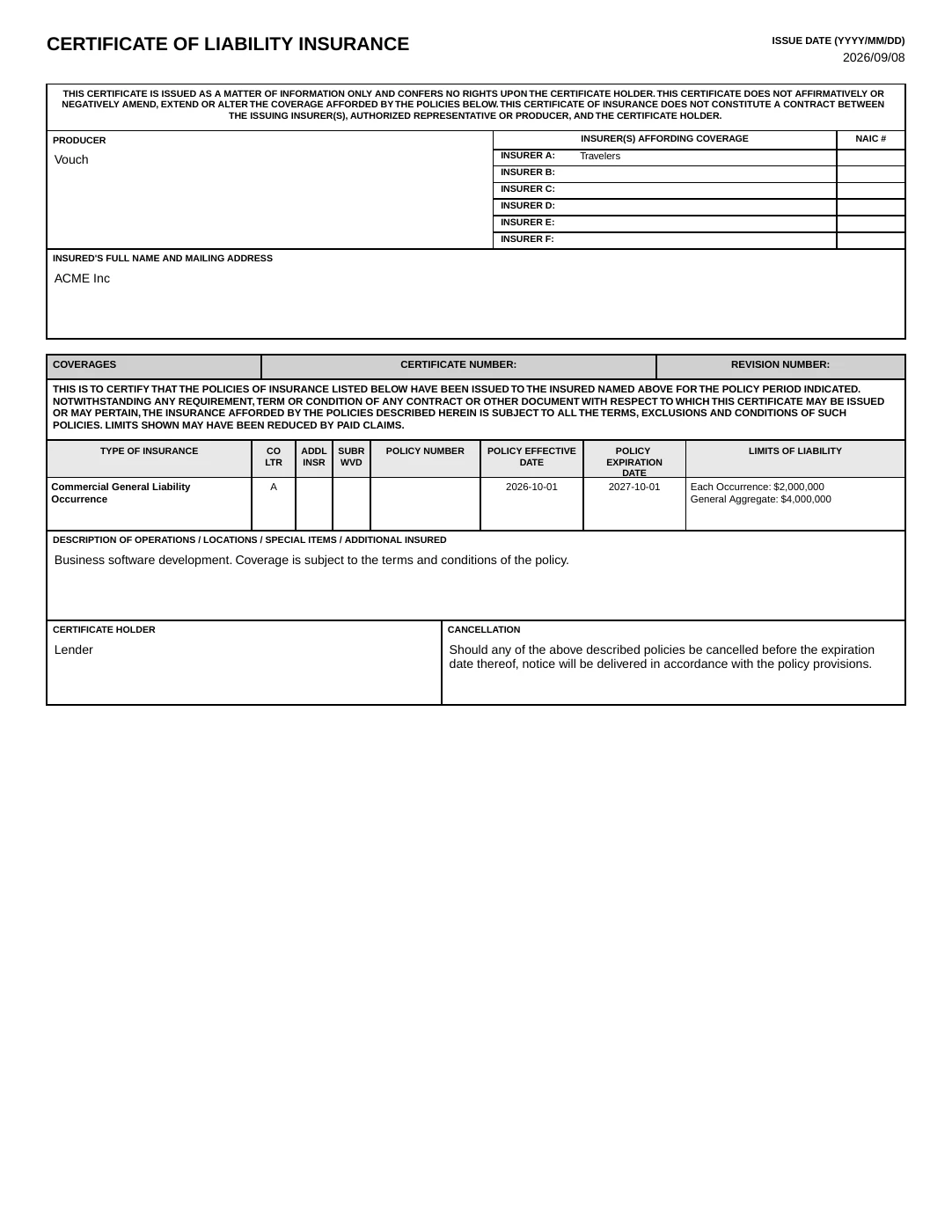
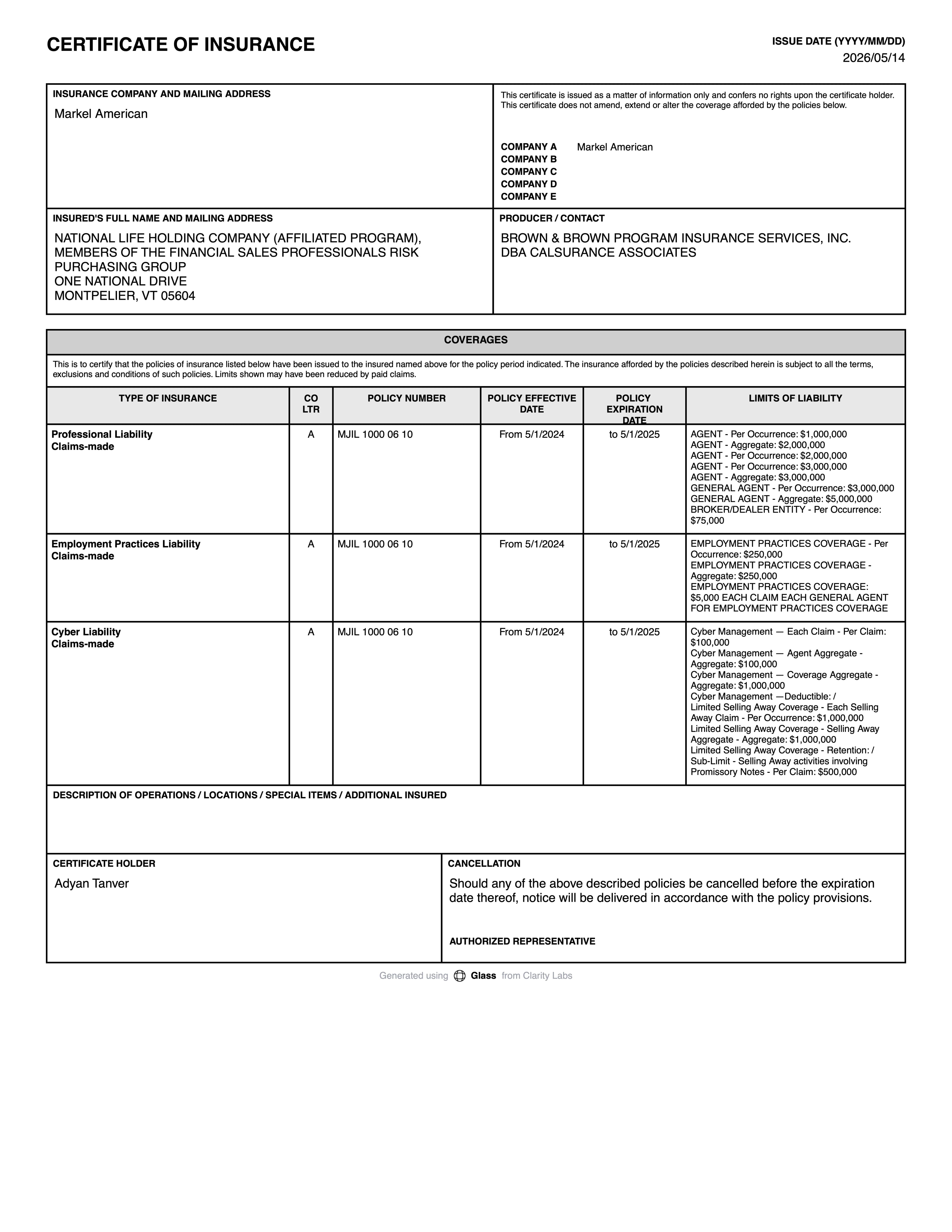
You choose. Spot places the policy for you, and certificates are ready when a customer or landlord asks.
Theft by an employee is the exposure, and what the policy pays depends on how it defines employees and property.
Money or property you hold for clients is a separate question from your own, so ask whether the bond reaches it.
A plan’s fidelity bond protects the plan against loss from fraud or dishonesty by the people who handle its funds or property.
Whether they count as covered people depends on the policy’s definition, so check it before you rely on it.
What each industry usually faces, and where Spot fits in.
An applicable SRO rule, regulator, clearing relationship, or signed counterparty agreement raises a fidelity-bond question.
A named bank, lender program, regulator, investor, or contract raises a bond or employee-dishonesty request.
A bank, card network, program, rule, or contract asks for a bond or fidelity protection.
Get quotes from 15+ fidelity bond providers with Spot.
A plan’s bond protects the plan itself, not your company’s own money. Arrange it as the plan is set up rather than afterward.
Confirm the bond’s definition of clients and their property reaches what you now hold.
Ask how the new quote treats losses that occurred or were discovered under the old one, and how reporting works across the change.
Ask whether temporary workers and contractors fall under the policy’s employee definition.
Check the policy’s reporting deadline right away, then tell your broker and your Spot team so the loss is reported on time.
Also known as employee dishonesty bond, employee theft insurance, fidelity insurance, ERISA fidelity bond, ERISA bond and business services bond.
Get quotes from 15+ fidelity bond providers with Spot. Keep your broker or switch, with no commissions on premiums.
Get StartedRead these before you choose a policy or an insurer.