What Product Recall Insurance Requirements Apply in Texas?
Texas DSHS maintains a dated list of food alerts affecting Texas and separates manufacturer, wholesaler and warehouse notices; the state’s Chapter 431 defines adulterated food and provides the enforcement framework. A Texas business should give the insurer product and distribution records by channel and confirm how policy notice duties work when DSHS posts an alert based on another agency’s investigation.
What Is Product Recall Insurance?
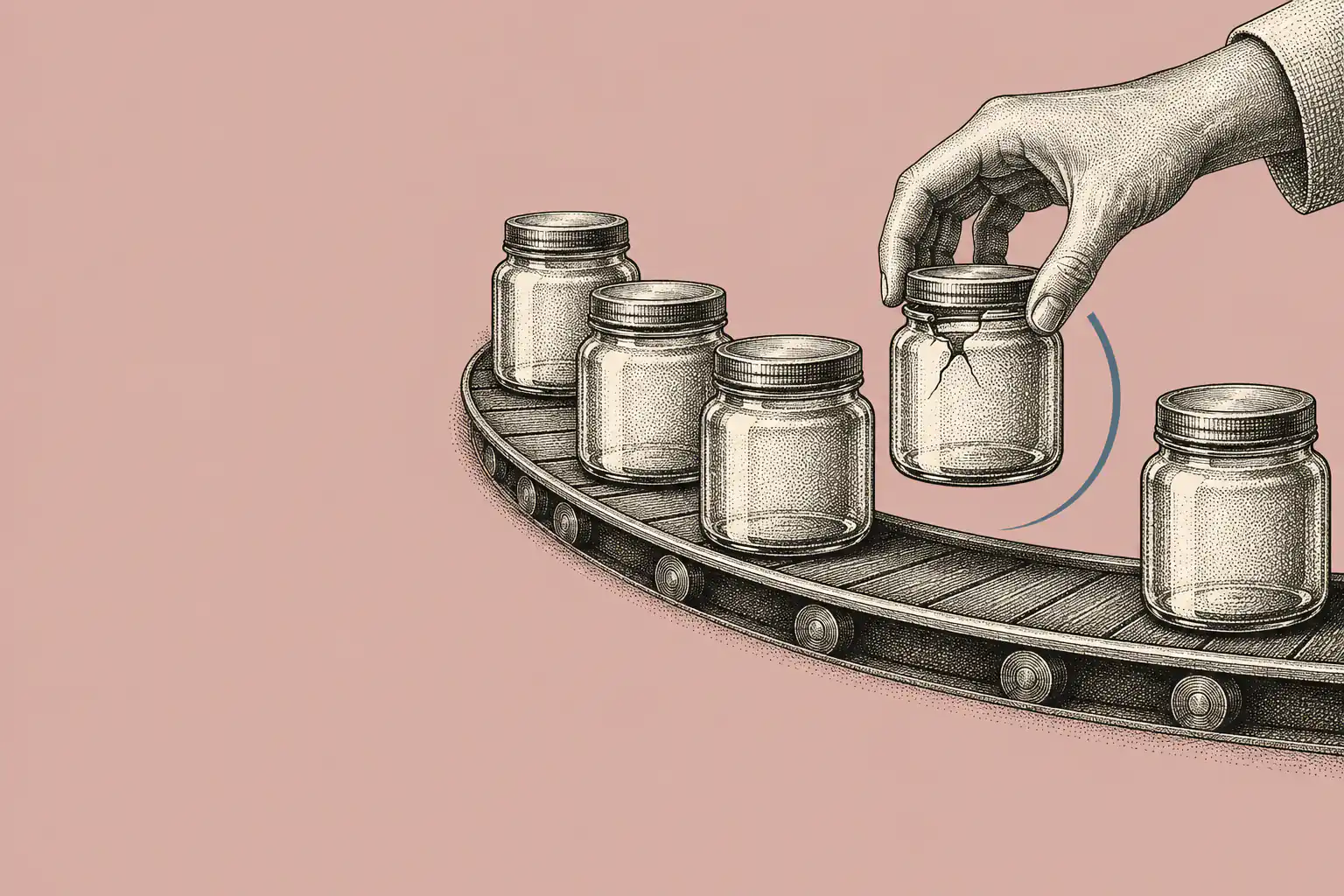
Product recall insurance can pay specified costs to locate and withdraw a product after a covered problem. It fits businesses that could face recall logistics; product liability does not automatically pay those costs, so compare the trigger and covered expenses. Read the national Product recall guide.
What Should You Watch for With Product Recall Insurance in Texas?
Reconcile Alerts With Your Lot Records
Texas DSHS posts dated notices affecting Texas and separates information for manufacturers, wholesalers and warehouses. Compare each listed product and date code with your own lot ledger; a state alert may cover only part of a broader product family. 1
Confirm the Trigger Before Binding
Chapter 431 establishes Texas’s food-safety enforcement framework, but the statute does not decide whether an insurer treats an alert, voluntary withdrawal or formal recall as a covered event. Ask the broker to show the triggering language in writing. 2
Route Meat and Other Food Correctly
Texas DSHS points readers to FDA notices for non-meat food and USDA-FSIS for meat products. Assign a person to monitor the right regulator for each line and preserve which agency issued the instruction. 1
Which Product Recall Insurance Providers Have Texas License Records?
No provider in our research has both a state license record and a listing for this coverage line. This does not establish that providers are unlicensed. Check the regulator’s license lookup and confirm availability with a provider when requesting a quote.
Who Regulates Insurance in Texas?

Texas Department of Insurance
TDI licenses agents and insurers, reviews company rate filings, and investigates complaints against insurance companies and people it regulates. Its complaint page states limits on what it can resolve, including disputes outside its regulatory authority. 3,4,5
Surplus-Lines Tax and Stamping Office in Texas
Reported tax rate. 4.85% of gross premium plus 0.04% SLTX stamping fee 6,7,8
When Texas is the insured’s home state, the state tax is 4.85% of gross premium; absent a compact allocation agreement, a multistate policy can be taxed on its entire premium. Policies effective on or after Jan. 1, 2024 also carry a 0.04% stamping fee; SLTX invoices the broker and says the insured pays it, and the surplus-lines insurer is not covered by the Texas guaranty association.
What Should You Ask Before Buying Product Recall Insurance in Texas?
- How should I use Texas DSHS recall notices?
- Does every Texas food alert trigger insurance coverage?
- Which Texas agency should my response team contact first, and what records should we provide?
Product Recall Insurance in Texas: Frequently Asked Questions
How should I use Texas DSHS recall notices?
Compare the DSHS product and date details against your lot and customer records; the state list is organized around alerts affecting Texas. Keep the matched notice with the response file. 1
Does every Texas food alert trigger insurance coverage?
No automatic coverage conclusion follows from an alert. Ask the insurer to define whether its trigger is a voluntary recall, agency recommendation or compulsory order, and what evidence it expects. 2
Product Recall Insurance Guides for Other States
 Alabama
 Alaska
 Arizona
 Arkansas
 California
 Colorado
 Connecticut
 Delaware
 District of Columbia
 Florida
 Georgia
 Hawaii
 Idaho
 Illinois
 Indiana
 Iowa
 Kansas
 Kentucky
 Louisiana
 Maine
 Maryland
 Massachusetts
 Michigan
 Minnesota
 Mississippi
 Missouri
 Montana
 Nebraska
 Nevada
 New Hampshire
 New Jersey
 New Mexico
 New York
 North Carolina
 North Dakota
 Ohio
 Oklahoma
 Oregon
 Pennsylvania
 Rhode Island
 South Carolina
 South Dakota
 Tennessee
 Utah
 Vermont
 Virginia
 Washington
 West Virginia
 Wisconsin
 Wyoming
Other coverage in TexasEvery coverage guide for Texas, plus the regulator and surplus-lines details.


