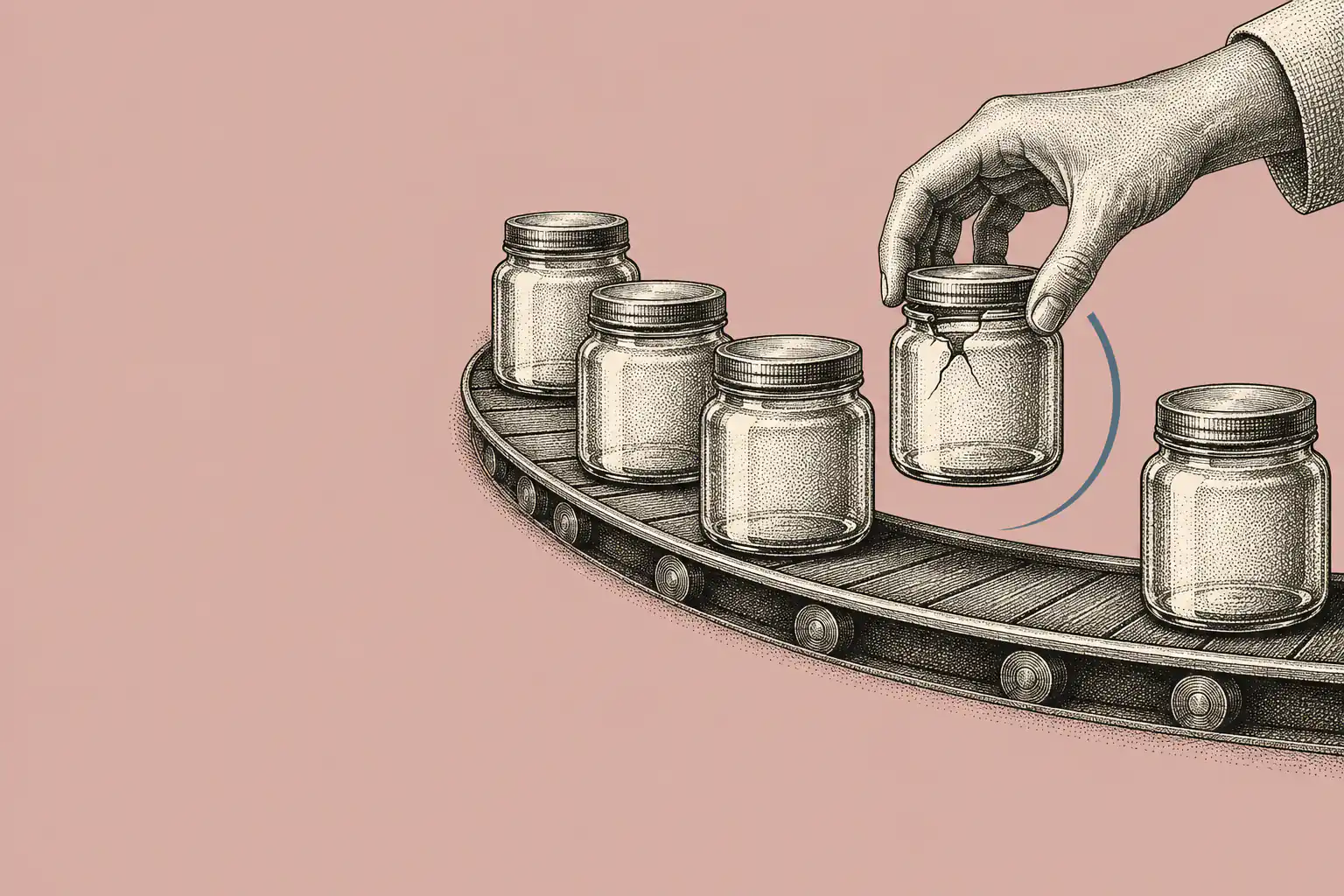
What Product Recall Insurance Requirements Apply in North Carolina?
North Carolina allows agriculture officials to embargo suspected adulterated food and bars removal or disposal until permission is given; the state food program says distributed adulterated products may prompt a public-health advisement. Manufacturers should preserve lot and shipment records and distinguish the regulator’s embargo from the later customer recall and public notice.
What Is Product Recall Insurance?
Product recall insurance can pay specified costs to locate and withdraw a product after a covered problem. It fits businesses that could face recall logistics; product liability does not automatically pay those costs, so compare the trigger and covered expenses. Read the national Product recall guide.
What to Watch for With Product Recall in North Carolina
Get Permission Before Disposal
North Carolina’s detention statute prohibits removal or disposal of a tagged article before an authorized agent or court permits it. Mark held stock clearly and separate it from customer-return inventory so routine warehouse destruction does not violate a state hold. 1
Public Advisement After Distribution
North Carolina Agriculture says it may issue a public-health advisement when inspection or testing shows adulterated products have already been distributed. Ask whether the policy covers preparing and distributing that advisement and responding to consumer calls. 2
Trace Every Recipient
The state food statute also prohibits receiving adulterated food and delivering it onward. Keep supplier, shipment and customer records joined by lot so the response can reach both upstream sellers and downstream recipients. 3
Which Product Recall Providers Have North Carolina License Records?
No provider in our research has both a state license record and a listing for this coverage line. This does not establish that providers are unlicensed. Check the regulator’s license lookup and confirm availability with a provider when requesting a quote.
Who Regulates Insurance in North Carolina?

North Carolina Department of Insurance
The North Carolina Department of Insurance administers insurance laws, licenses insurance producers and companies, reviews insurance filings and handles consumer complaints. The Commissioner is elected statewide. 4,5,6,7
Surplus-Lines Tax and Stamping Office in North Carolina
Reported tax rate. 5% of gross premium, less return premium, plus 0.4% NC Stamping Office fee for ordinary filed placements 8,9,10,11
When North Carolina is the insured’s home state, surplus-lines tax is 5% of gross premium less return premium; ordinary broker-placed filings also carry a 0.4% stamping fee, while risk-purchasing-group and independent-procurement filings follow separate procedures. A diligent search is generally required; an exempt commercial purchaser may bypass it only after the broker discloses the admitted-market protection difference and receives the purchaser’s subsequent written request. The policy warns that the state guaranty or solvency fund will not pay surplus-lines losses.
North Carolina Surplus Lines Association / NC Stamping Office
Questions to Ask Before You Buy Product Recall in North Carolina
- May I destroy food tagged by North Carolina officials?
- Can North Carolina issue a public warning after food ships?
- Which North Carolina agency should my response team contact first, and what records should we provide?
Product Recall Insurance in North Carolina: Frequently Asked Questions
May I destroy food tagged by North Carolina officials?
No. G.S. 106-125 requires permission from the authorized agent or court before detained or embargoed product is removed or disposed of. Keep that stock segregated until it is released. 1
Can North Carolina issue a public warning after food ships?
Yes. The Department of Agriculture says a public-health advisement may issue when adulterated product has been distributed. Keep customer and lot details ready so a warning can identify the affected shipments. 2
Product Recall Insurance Guides for Other States
 Alabama
 Alaska
 Arizona
 Arkansas
 California
 Colorado
 Connecticut
 Delaware
 District of Columbia
 Florida
 Georgia
 Hawaii
 Idaho
 Illinois
 Indiana
 Iowa
 Kansas
 Kentucky
 Louisiana
 Maine
 Maryland
 Massachusetts
 Michigan
 Minnesota
 Mississippi
 Missouri
 Montana
 Nebraska
 Nevada
 New Hampshire
 New Jersey
 New Mexico
 New York
 North Dakota
 Ohio
 Oklahoma
 Oregon
 Pennsylvania
 Rhode Island
 South Carolina
 South Dakota
 Tennessee
 Texas
 Utah
 Vermont
 Virginia
 Washington
 West Virginia
 Wisconsin
 Wyoming
Other coverage in North CarolinaEvery coverage guide for North Carolina, plus the regulator and surplus-lines details.


